
Choreographing Your First Dance: Why It’s Worth It (Even If You’re Not “Dancers”)
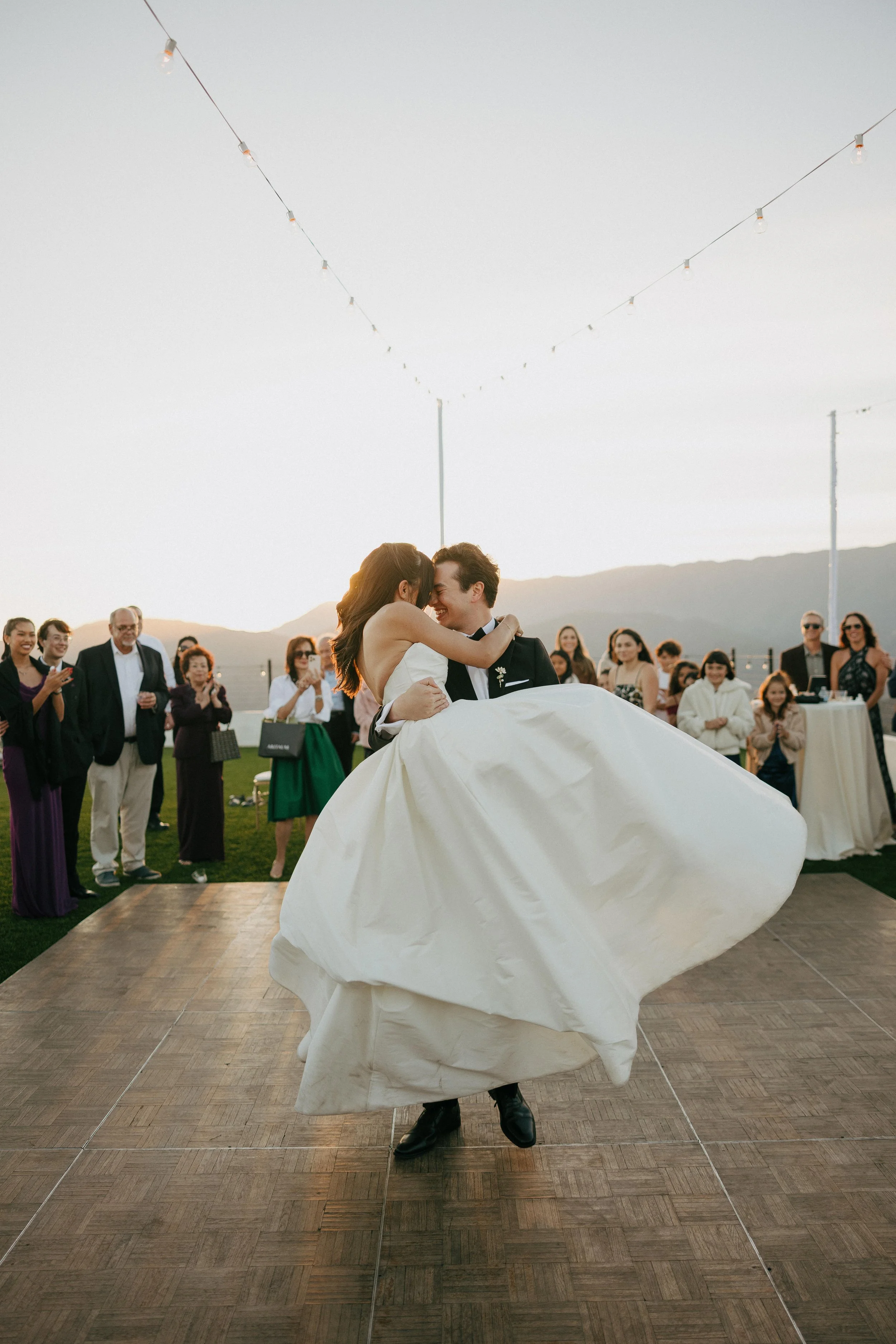
For many couples, the idea of a choreographed first dance feels intimidating. You might be thinking, “We’re not dancers,” or “We don’t want anything over-the-top.” Here’s the good news: choreographing your first dance doesn’t mean performing a Broadway routine. In fact, the best first dances are often simple, natural, and thoughtfully planned — and choreography can make all the difference.
Whether you want a few polished moments or a full routine, here’s why choreographing your first dance is absolutely worth considering.
Why Choreograph Your First Dance?
1. It Reduces Nerves
One of the biggest sources of first dance anxiety is not knowing what to do. Even light choreography gives you structure, so you’re not awkwardly swaying and wondering what comes next. Knowing your steps allows you to relax and enjoy the moment.
2. It Looks Effortless (Even When It’s Simple)
A few planned turns, dips, or directional changes instantly elevate your dance. To guests, it looks polished and intentional — not rehearsed or forced. The goal isn’t perfection; it’s confidence.
3. It Creates Better Photos & Video
Choreography helps you naturally face your guests and cameras, creating stunning photos and video moments. That gentle spin or dip? It often becomes one of your favorite wedding images.
4. It Makes the Moment Feel Special
Your first dance is one of the only moments of the day where it’s just the two of you. Thoughtful choreography turns it into a meaningful, memorable experience — not just a formality.
Simple Choreography Ideas (Perfect for Non-Dancers)
You don’t need complex steps to create a beautiful first dance. Here are easy, approachable ideas:
• The Classic Sway + Turns
Start with a simple sway, add a slow turn for the bride, and repeat. This alone creates movement and elegance.
• A Gentle Dip at the End
One planned dip at the final note makes the dance feel complete and dramatic — and looks amazing in photos.
• Side-to-Side with Directional Changes
Changing direction throughout the song helps you face different guests and cameras without it feeling staged.
• Verse-by-Verse Structure
Break the song into sections:
Verse: simple sway
Chorus: turns or spin
Bridge: close embrace
Final chorus: dip or lift
This keeps the dance interesting without complexity.
Fun & Creative First Dance Ideas
• Start Slow, Then Surprise
Begin with a traditional slow dance, then transition into a fun, upbeat song halfway through for a playful twist.
• Mash-Up Dance
Combine two songs — one romantic, one fun — for a memorable and crowd-pleasing moment.
• Include Simple Lifts or Spins
Even one carefully taught lift or dramatic spin can wow your guests while staying manageable.
Short Lessons Go a Long Way
Many couples are surprised to learn that just 2–5 dance lessons can be enough to feel confident and prepared. A professional instructor will tailor choreography to your comfort level, movement style, and song choice.
Bonus: Dance lessons are also a fun way to connect during the planning process — a welcome break from vendor emails and seating charts.
Tips for a Stress-Free First Dance
Choose a song you love, not what’s trendy
Wear similar shoes during practice
Practice in a space similar to your venue size
Keep it authentic to your personalities
Remember: guests are rooting for you. They’re not judging your technique — they’re celebrating your love.
Final Thoughts
Choreographing your first dance doesn’t mean performing — it means feeling comfortable, confident, and present in one of the most meaningful moments of your wedding day. Whether your choreography is simple or playful, planned or minimal, it ensures your first dance feels intentional, polished, and truly yours.
And sometimes, the simplest dances are the most unforgettable.